Vera Schmitt · 31 August 2026
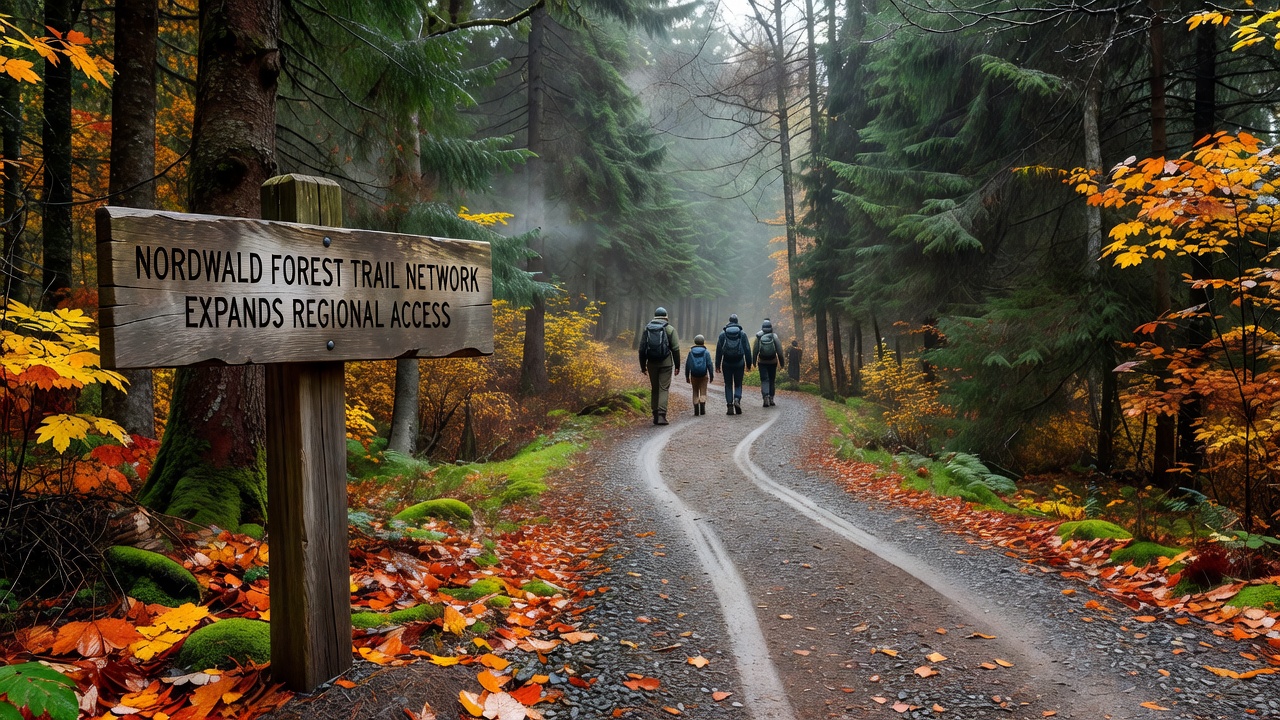
The Nordwald Forest has seen a significant upgrade with the completion of an extensive new trail network designed to improve connectivity and accessibility for hikers, cyclists, and local wildlife observers. Spanning over 120 kilometers, the system links previously isolated sections of the forest, allowing visitors to explore diverse ecosystems without relying on external roads. Officials from the Nordwald Regional Authority confirmed that the project integrates sustainable construction methods, including elevated boardwalks in wetland areas and native vegetation restoration along path edges.
Enhanced Connectivity for Residents and Tourists
Local communities around the forest perimeter report improved access to recreational areas that were once difficult to reach. The trails feature clear signage in multiple languages, emergency call points at regular intervals, and designated zones for mountain biking and equestrian use. Data from trail counters installed during the first month of operation show an average daily usage of 850 visitors, with peaks on weekends exceeding 1,200. Environmental monitoring indicates minimal disruption to protected species, as routes were planned to avoid breeding grounds and sensitive habitats.
Long-Term Benefits for Conservation and Economy
Regional planners emphasize that the network supports both conservation goals and economic growth by directing foot traffic away from fragile zones while encouraging overnight stays in nearby villages. Partnerships with local businesses have led to guided tour programs and equipment rentals that employ residents year-round. Maintenance crews conduct quarterly inspections to ensure trail integrity, with funding secured through a combination of regional grants and user permit fees. Future phases may include additional loops connecting to adjacent nature reserves, further expanding the recreational footprint without compromising ecological balance.